
Local Care Experts in Virginia Beach
24HomeCare in Virginia Beach for the people who give it everything
Family caregivers in Virginia Beach carry more than most people see. We're here with local providers, real resources, and the kind of help that gives you a real break.
Dedicated
Local Support
24/7
Availability
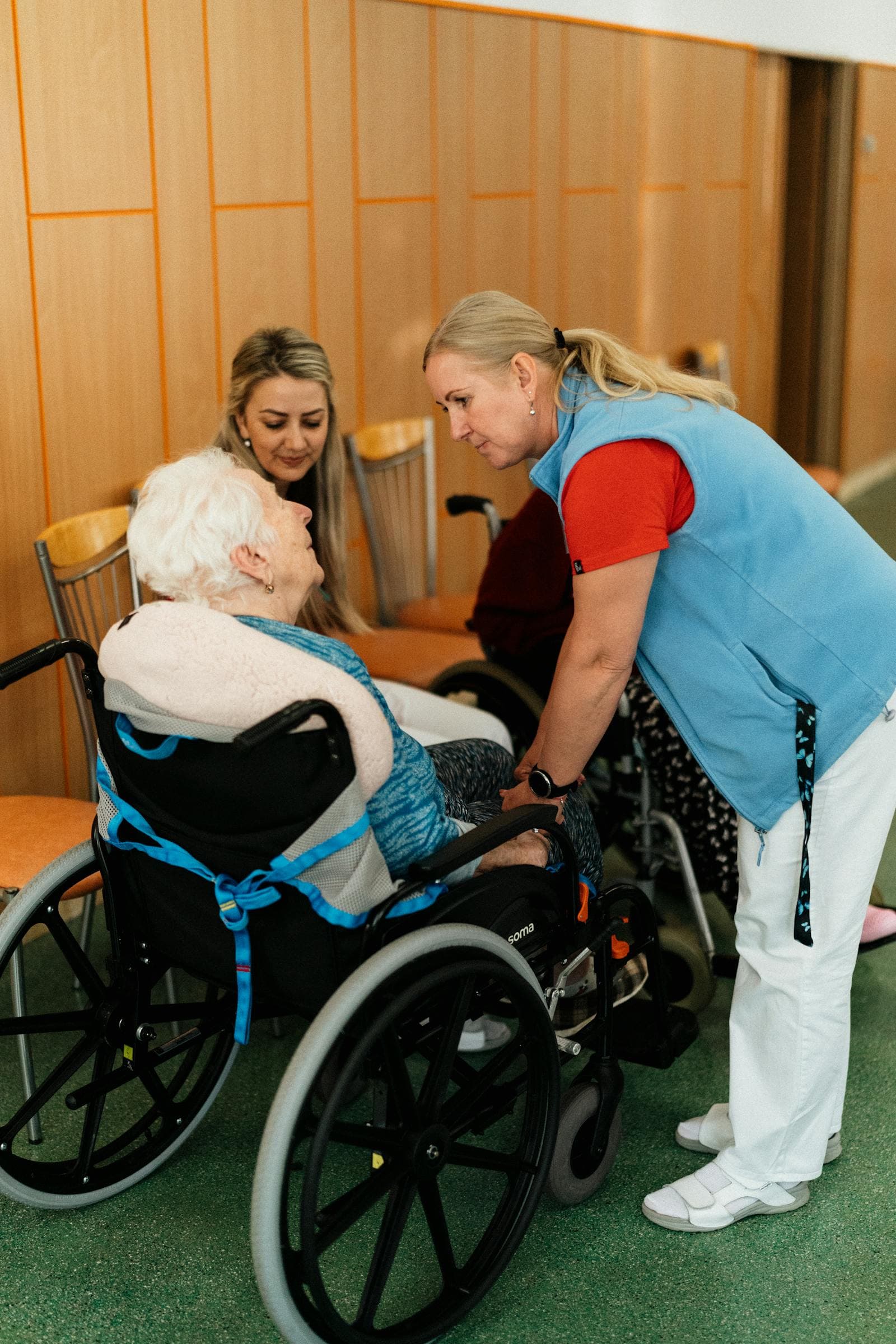
Is it time for around-the-clock care?
When a loved one cannot safely be left alone at any hour, 24-hour home care becomes essential. Use these signals as your guide.
Physical Warning Signs
- Frequent falls or unexplained bruises
- Difficulty getting out of bed or navigating the home
- Incontinence requiring nighttime assistance
- Skipping meals or rapid weight loss
- Declining personal hygiene
Cognitive & Behavioral Signs
- Nighttime wandering or confusion (sundowning)
- Leaving the stove on or doors unlocked
- Medication errors — doubling or skipping doses
- Getting lost on familiar routes
- Poor financial judgment or vulnerability to scams
Family Caregiver Burnout
- Sleep deprivation from nighttime care duties
- Physical exhaustion from lifting and transfers
- Growing emotional strain, guilt, or resentment
- Social isolation from caregiving demands
- Your own health beginning to decline
Quick self-check: If your loved one cannot be left alone safely for 4+ hours, or if nighttime episodes are frequent — it is time to explore 24-hour care in Virginia Beach.
Get a Free AssessmentOur Expertise
Bringing comfort home to Virginia Beach.
Every family is different. Our services in Virginia Beach are tailored to provide exactly what you need, when you need it.
Live-In Home Care
One trained caregiver in the home 24 hours a day with a defined sleep window — for seniors who need a constant presence at lower cost than 24/7 awake care.
24/7 Awake Care
Three rotating caregivers staff the home around the clock — awake and active every hour — for seniors with complex medical needs or wandering risk.
Overnight Care
A single overnight caregiver from evening to morning — for seniors who are safe during the day but need a hand at night.
Post-Discharge 24-Hour Care
Round-the-clock care for the first weeks home from the hospital, when complications are most likely and family can't be present 24/7.
How we start care in Virginia Beach.
Starting 24-hour home care is simpler than most families expect. We handle the complexity — you focus on what matters.
Start todayA confidential call — no commitment
Your first conversation with our Virginia Beach care coordinator is completely free and obligation-free. We listen first — no scripts, no pressure.
A home assessment tailored to your situation
A care specialist visits the home (or conducts a virtual review) to understand your loved one's needs, routines, and safety risks.
A customized 24-hour care plan
We build a care schedule around your family's life — including overnight coverage, weekend rotations, and any specialist support needed.
Matched caregivers — screened and trained
Every caregiver placed in Virginia Beach homes is background-checked, reference-verified, and trained in fall prevention, dementia care, and medication protocols.
Ongoing coordination and family updates
As needs evolve, so does your care plan. Our Virginia Beach coordinators stay in regular contact to ensure quality and address any changes.
Get in Touch
Ready to give yourself a break?
Our local team is ready to create a personalized care plan that works for your family. Reach out today — relief is closer than you think.
Call us directly
757-204-1108
Our office
1213 Laskin Road, Suite 207, Virginia Beach, VA
The Journal
Insights for Virginia Beach families.
Guide
Choosing a 24-Hour Caregiver in Virginia Beach: Local Questions to Ask
Guide
Virginia Beach Family Caregiver Resources for Round-the-Clock Support
Guide
Post-Hospital 24-Hour Care in Virginia Beach
Guide
Best Home Health Agencies in Virginia Beach for 24/7 Care

Guide
Virginia Licensing for 24-Hour Caregivers in Virginia Beach
Guide
24-Hour Home Care in Virginia Beach, VA: What to Expect
Common Questions.
Everything you need to know about starting care in Virginia Beach. Can't find what you're looking for? Reach out anytime.
What is 24-hour home care?
24-hour home care is continuous in-home care covering all 24 hours of every day. It comes in two forms: live-in (one caregiver in the home with a defined sleep window) and 24/7 awake care (three rotating shifts, all caregivers awake and active). Live-in suits seniors who are safe to sleep through the night; awake care is for those who need constant supervision.
How much does 24-hour home care cost?
In 2026, live-in care runs $300–$450 per 24-hour day ($9,000–$13,500 per month). 24/7 awake care runs $18,000–$24,000 per month because it's three 8-hour paid shifts a day. Costs vary by metro and shift mix; weekends and holidays carry premiums. For most families, live-in care is the more economical path — but only when the senior can safely sleep without supervision.
What's the difference between live-in and 24/7 awake care?
Live-in: one caregiver lives in the home, has a defined 8-hour sleep window (legally required), and provides care during the other 16 hours. 24/7 awake care: three 8-hour shifts a day, all caregivers awake and active for the entire shift. Live-in costs less but isn't suitable when overnight hands-on care is needed; 24/7 awake is the safer choice for high-supervision situations.
When does someone need 24-hour care?
Common triggers: significant fall risk overnight, dementia with wandering or sundowning, post-surgery recovery with complications, end-of-life comfort care at home, or chronic conditions (advanced Parkinson's, severe COPD) where rapid decline could happen any hour. Many families hire 24-hour care temporarily after a hospital discharge, then scale back to part-time as the senior stabilizes.
Does Medicare cover 24-hour home care?
No. Medicare covers only intermittent skilled home health — typically a few hours per visit for nursing or therapy. Round-the-clock home care falls outside Medicare's definition of 'home health.' Funding comes from private pay, long-term care insurance, VA Aid & Attendance, or state Medicaid waivers for income-eligible seniors. Some Medicare Advantage plans now offer limited continuous-care benefits — read the EOC booklet.
Can family take some shifts and 24-hour care cover the rest?
Yes. Many families build hybrid schedules — family handles weekends, agency covers weekdays; or family takes evenings, agency takes overnight. The agency works around your schedule. The cleanest setup names one care coordinator at the agency who flexes the staffing based on the family's rolling availability and any caregiver call-outs.
Can the same caregiver work overnight every night?
For live-in arrangements, yes — typically one primary caregiver covers most days with a relief caregiver covering 1–2 days per week and vacations. For 24/7 awake care, you can request shift consistency, but rotating multiple shifts among the same handful of caregivers is more sustainable for them and gives you backup depth. Ask agencies how they handle continuity vs. caregiver burnout.
How quickly can 24-hour care start?
Most agencies can stand up 24-hour care within 24 to 72 hours for urgent situations — hospital discharges, post-fall stabilization, end-of-life care. The first 24 hours are the highest-staffing-effort window; expect the agency to send their most experienced caregiver. Once the routine is set, scheduling stabilizes within a week. Have insurance, payment method, and care goals ready when you call.